

The Experimental Challenge
CD8+ T cell exhaustion is one of the most persistent barriers to durable responses in cancer immunotherapy. Adoptive cell transfer (ACT), CAR-T therapy, and immune checkpoint blockade have each demonstrated clinical impact, yet long-term complete remission remains uncommon across all three modalities. A major limiting factor is the progressive functional decline of effector T cells within the tumor microenvironment, driven by chronic antigen exposure and suppressive signaling.
Establishing the mechanistic basis for any intervention targeting this process requires more than efficacy data across tumor models. It requires a study architecture capable of confirming cell-type dependence, ruling out endogenous cytokine confounds, and extending the finding across immunotherapy platforms in the same experimental system. Each of those questions depends on depletion, neutralization, and blockade reagents that perform consistently enough to generate interpretable negative results alongside positive ones.
Why Type 2 Immunity
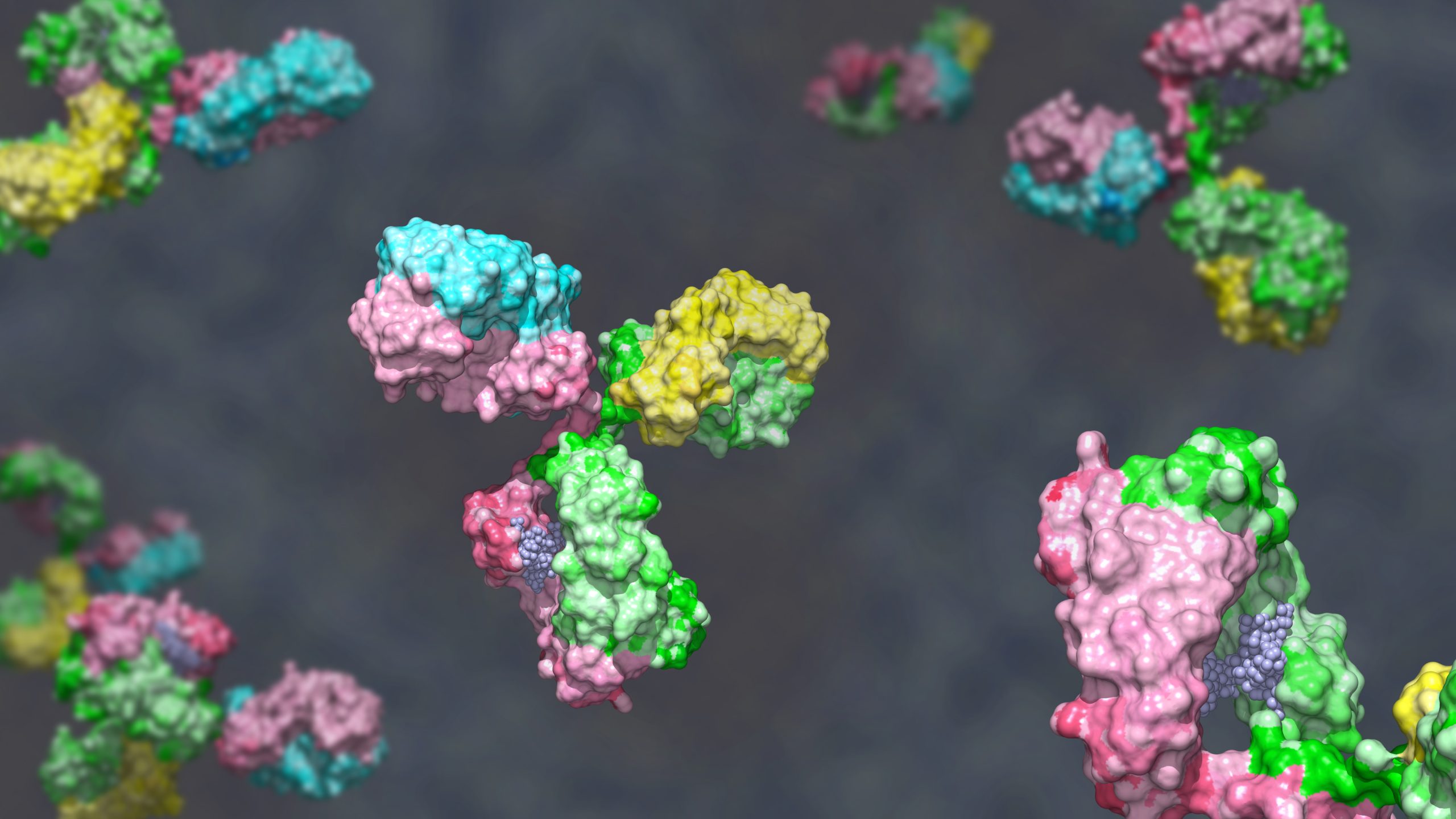
A peer-reviewed study from the Tang and Fan laboratories explored whether type 2 immune signaling could augment CD8+ T cell-dependent antitumor responses across the three major type 1 immunotherapy modalities. The intervention under study was Fc-IL-4, a fusion protein combining mouse IL-4 with a mutant IgG2a Fc region that extends circulating half-life while preserving IL-4 bioactivity. The mechanistic hypothesis was that Fc-IL-4 acts directly on terminally exhausted CD8+ T cells (CD8+ TTE) through IL-4Rα signaling, promoting survival and restoring effector function through STAT6 and the PI3K-AKT-mTOR axis, with downstream upregulation of lactate dehydrogenase A (LDHA) driving enhanced glycolytic metabolism.
Testing that hypothesis across ACT, CAR-T, and checkpoint blockade contexts in the same study system required a coordinated mechanistic toolkit. The combination regimens reported include OT1 ACT with Fc-IL-4 across YUMM1.7-OVA mouse melanoma, HER2-CAR-T with Fc-IL-4 in MC38-HER2 colon adenocarcinoma, anti-PD-1 plus anti-CTLA-4 with Fc-IL-4 in MC38, and human Fc-IL-4 with CD19-CAR-T in Raji lymphoma and recurrent leukemia xenograft models1.
How the Mechanistic Work Was Built
Generating mechanistic conclusions across modalities required systematic perturbation of candidate cell populations and signaling pathways. Ten Bio X Cell antibodies supported four distinct experimental functions.
Selective in vivo depletion of CD8+ T cells, CD4+ T cells, NK1.1+ cells, and Ly6G+ cells established which effector populations were causally required for Fc-IL-4 combination activity. Only CD8+ T cell depletion completely abolished the enhanced antitumor efficacy of the combination regimen, consistent with a CD8+ T cell-dependent mechanism. Parallel depletion of CD4+ T cells and NK cells confirmed their contributions were not required, making the CD8 dependency a specific mechanistic finding rather than a general immune effect1.
In vivo neutralization of endogenous IL-4 showed negligible effects on antitumor efficacy, providing evidence that the observed outcomes were attributable to the Fc-IL-4 fusion protein rather than endogenous cytokine signaling. This neutralization control is essential for any study claiming a specific cytokine mechanism: without it, the contribution of endogenous IL-4 cannot be excluded1.
In vivo checkpoint blockade with anti-PD-1 and anti-CTLA-4 extended the study into the ICB context. The demonstration that Fc-IL-4 also enhanced antitumor efficacy when combined with dual checkpoint blockade broadened the mechanistic argument from ACT and CAR-T into the immunotherapy combination most directly relevant to current clinical practice1.
In vitro T cell activation and CD8+ TTE induction using plate-bound anti-CD3 and soluble anti-CD28 generated the cellular substrate for single-cell ATAC and transcriptome co-profiling and metabolic assays that characterized the molecular basis of Fc-IL-4 activity at the chromatin and metabolic level1.
Featured Products
| Product Name | Clone | Cat. # | Application in Study |
|---|---|---|---|
| InVivoMAb anti-mouse CD8α | YTS 169.4 | BE0117 | In vivo CD8+ T cell depletion |
| InVivoMAb anti-mouse CD4 | YTS 177 | BE0003-3 | In vivo CD4+ T cell depletion |
| InVivoPlus anti-mouse NK1.1 | PK136 | BP0036 | In vivo NK1.1+ cell depletion |
| InVivoMAb anti-mouse Ly6G | NIMP-R14 | BE0320 | In vivo Ly6G+ cell depletion |
| InVivoPlus rat IgG2b isotype control | LTF-2 | BP0090 | Isotype control |
| InVivoMAb anti-mouse IL-4 | 11B11 | BE0045 | In vivo IL-4 neutralization |
| InVivoMAb anti-mouse CD3 | 17A2 | BE0002 | T cell activation / TTE induction |
| InVivoMAb anti-mouse CD28 | PV-1 | BE0015-5 | T cell activation (soluble) |
| InVivoMAb anti-mouse PD-1 (CD279) | RMP1-14 | BE0146 | In vivo anti-PD-1 blockade |
| InVivoMAb anti-mouse CTLA-4 (CD152) | 9H10 | BE0131 | In vivo anti-CTLA-4 blockade |
Bio X Cell Relevance
The ten antibodies featured in this study span lymphocyte depletion, cytokine neutralization, checkpoint blockade, and T cell activation across a multi-modality cancer immunotherapy program. The combination of depletion controls, a cytokine endogenous-signaling control, and paired activation reagents for ex vivo substrate generation reflects the full functional scope of a mechanistic study designed to build a cross-modality mechanistic argument. Bio X Cell's portfolio extends this toolkit to recombinant formats, Fc-engineered variants, multispecific constructs, and custom antibody solutions for programs requiring specialized formats or novel experimental approaches.
References
- Feng B, Tang T, Johnson B, et al. Fc-IL-4 revitalizes exhausted CD8+ T cells to enhance immunotherapy. Nature. 2024;634:712-720. https://doi.org/10.1038/s41586-024-07962-4
Research Use Only