


Translational Continuity: Why Drug Programs Fail Early
Drug development is a high-risk endeavor, with over 90 percent of drug candidates that enter clinical trials falling short of obtaining final approval.1 Many of these failures arise from unexpected toxicity or limited efficacy in humans, which researchers cannot anticipate because their early-stage models do not fully recapitulate human biology. In particular, animal models frequently fail to predict human outcomes because species-specific differences in organ systems, drug metabolism, and cellular responses can lead to misleading results. Consequently, scientists need more human-relevant preclinical models.
Bridging the Translational Continuity Gap
In response to these translational challenges, the United States Congress passed the US Food and Drug Administration (FDA) Modernization Act 2.0 in 2022, which removed the requirement for animal studies to assess a new drug’s safety and efficacy.2 Instead, the agency now accepts data from validated alternative approaches, such as organoids, advanced cell-based assays, organ-on-chip systems, or computational models. Known collectively as new approach methodologies (NAMs), these systems better model features of healthy and diseased human tissues, including cellular diversity, tissue architecture, and molecular signaling.
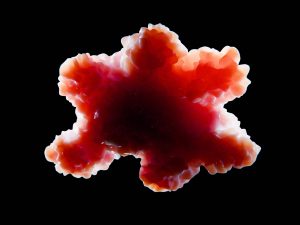
Among these approaches, organoids have gained particular attention. Derived from human pluripotent stem cells, organoids are three-dimensional (3D), multicellular in vitro models that capture key structural and functional features of native tissues.3 Their ability to model human-specific biology makes them valuable tools for translational research and drug development. As researchers incorporate organoids and other NAMs into workflows to complement or replace animal studies, they must ensure that the models deliver reliable results. Achieving this depends not only on biological fidelity but also on the quality and consistency of the reagents used alongside them.
The Danger of Impure Functional Antibodies
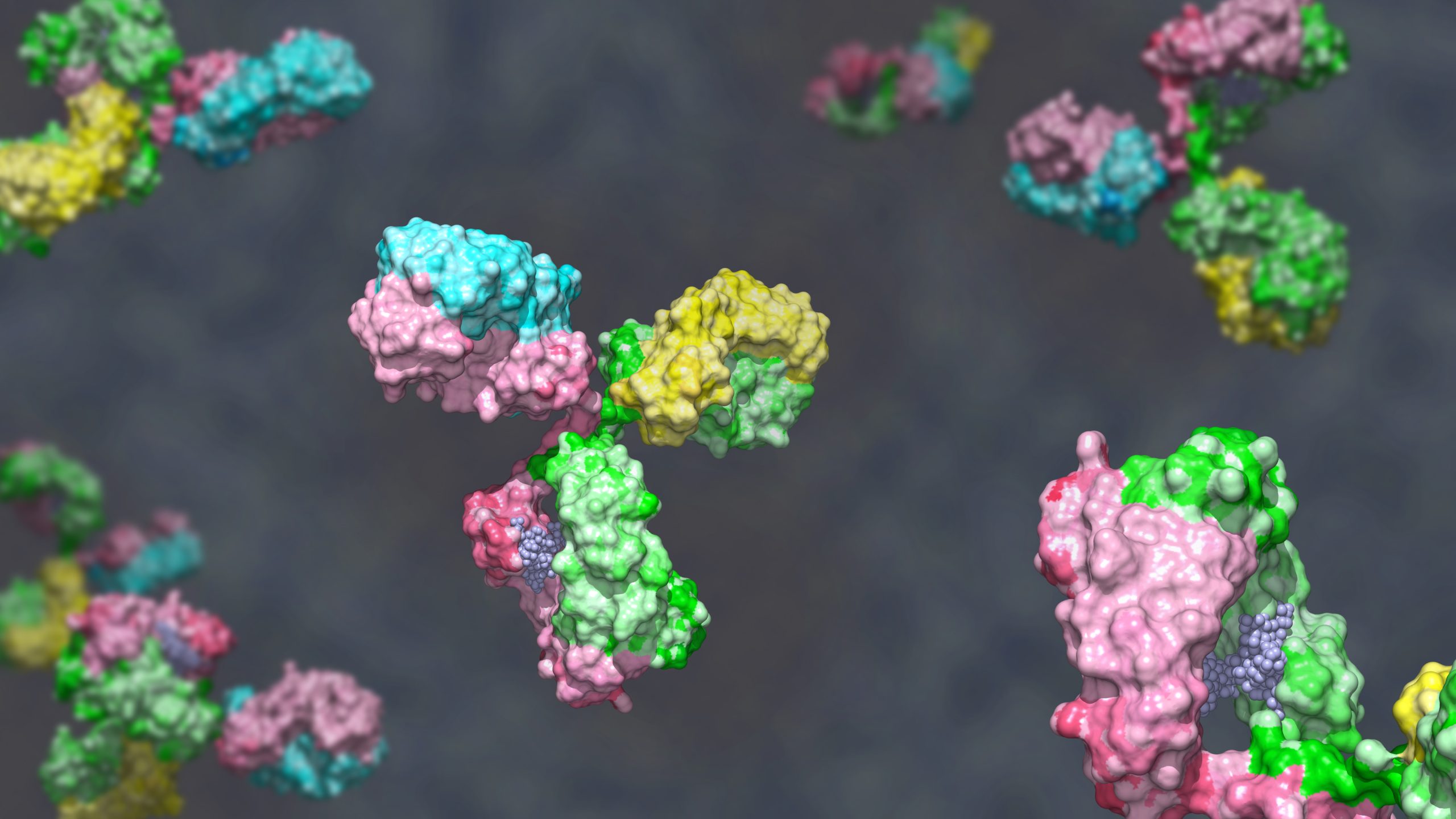
Functional antibodies are key reagents used for various applications, including altering signaling pathways, activating immune cells, neutralizing cytokines, and eliminating specific cell types.4 Scientists leverage these proteins to study physiological processes and disease mechanisms in preclinical models, such as organoids and mice, across cancer, neuroscience, immunology, and infectious disease research.
However, antibodies must be high-quality, high-performance, and target-specific to ensure accurate and reproducible results. This is especially important in organoid experiments, as these models are sensitive to trace contaminants such as endotoxins, carrier proteins, preservatives, and stabilizers. Such impurities can trigger cytokine secretion, stress responses, and inflammation-mediated changes in organoid morphology, behavior, and health. In addition, cytotoxic artifacts or off-target effects can interfere with experimental outcomes and even lead to misinterpretation of a therapeutic’s efficacy or safety during drug screening in 3D bioprinted cell models.5 Preparing organoids from patient cells amplifies these concerns because even minor problems can compromise these precious and scarce samples.
High-Quality Functional Antibodies Safeguard Organoid Research
With sensitive organoid models, selecting rigorously purified antibodies is essential to ensure dependable and predictive research outcomes. Bio X Cell offers ultrapure functional antibodies against human and murine targets that are ready for use in organoids and organ-on-chip systems. Their formulations contain low levels of contaminants, including endotoxins, preservatives, carrier proteins, and stabilizers, making them well-suited for use with valuable patient-derived organoids. The company’s organoid portfolio includes antibodies that block or activate key signaling pathways in immuno-oncology and autoimmune disease research, such as anti-mouse or anti-human PD-1, anti-mouse or anti-human IFNγ, and anti-mouse 4-1BB.
Using a single, consistent formulation across models, such as human xenograft mouse models and human organoids, also reduces variability introduced by switching reagents between in vitro and in vivo experiments. Bio X Cell’s portfolio of in vivo-ready antibodies supports seamless transitions between model systems, allowing researchers to use the same antibody across organoid and animal studies while maintaining experimental continuity.
Overall, Bio X Cell’s functional antibodies for organoids deliver consistent performance while minimizing contaminant-associated artifacts, helping preserve translational relevance.
References
1. Yildirim Z, et al. Next-gen therapeutics: Pioneering drug discovery with iPSCs, genomics, AI, and clinical trials in a dish. Annu Rev Pharmacol Toxicol. 2025;65:71-90.
2. Zushin PJH, et al. FDA Modernization Act 2.0: Transitioning beyond animal models with human cells, organoids, and AI/ML-based approaches. J Clin Invest. 2023;133(21):e175824.
3. Sinha A, et al. Organoid: Biomedical application, biobanking, and pathways to translation. Heliyon. 2025;11(10):e43028.
4. Daëron M. The function of antibodies. Immunol Rev. 2024;328(1):113-125.
5. Heinrich MA, et al. Endotoxin contamination alters macrophage-cancer cell interaction and therapeutic efficacy in pre-clinical 3D in vitro models. Biomater Adv. 2023;144:213220.