



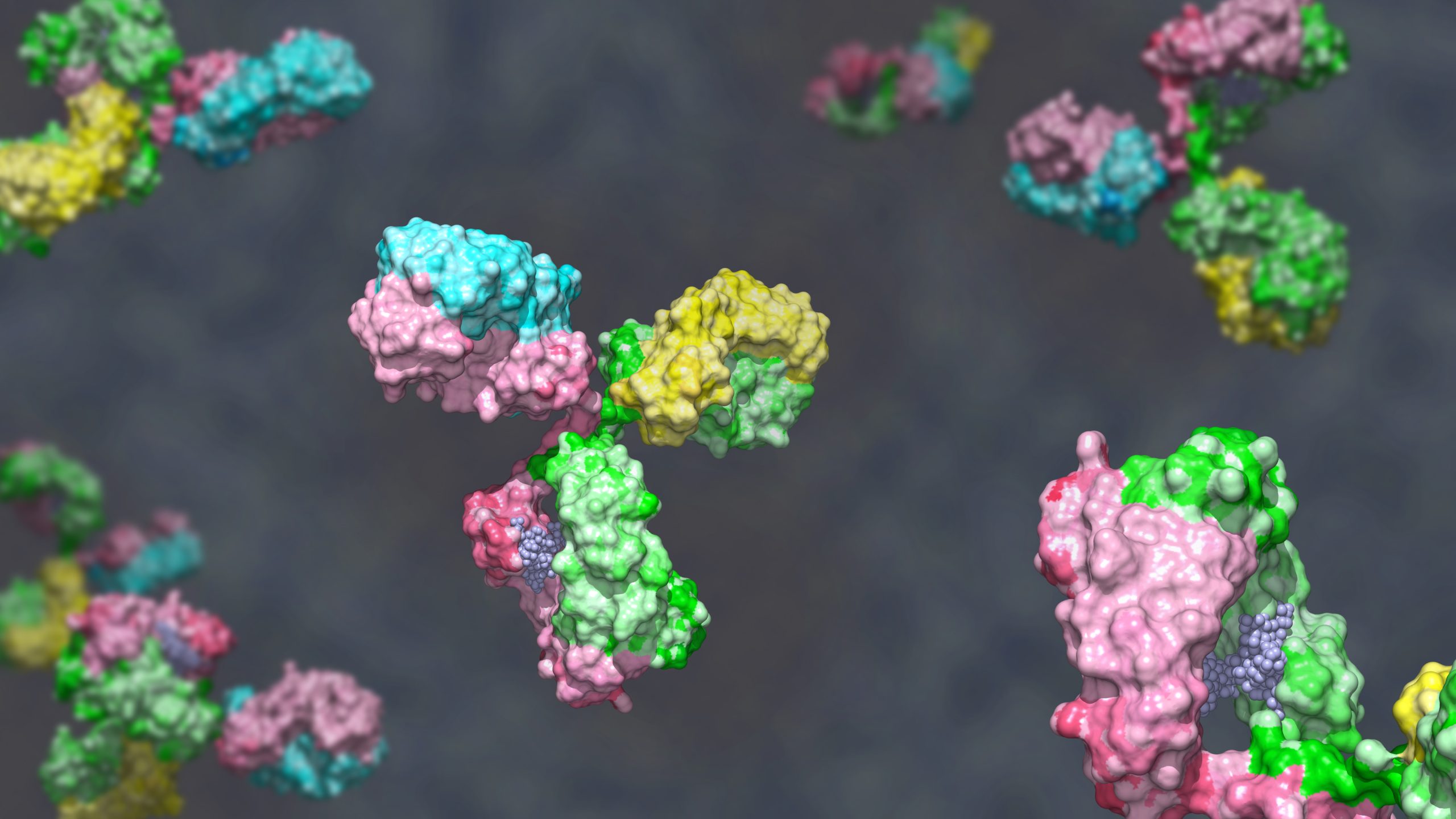

Why the Myeloid Compartment Is a Priority Target in Tumor Immunology
Tumor-associated macrophages and other CSF1R+ myeloid populations are now understood to be active drivers of immunosuppression across tumor types. Their accumulation has been associated with reduced T cell infiltration, resistance to immune checkpoint blockade, and poorer therapeutic outcomes. Yet myeloid cells are not a uniform population. They encompass functionally distinct subsets with different surface markers, signaling dependencies, and immunosuppressive mechanisms. Identifying which subsets are causally responsible in a given context is a core challenge for researchers designing combination immunotherapy studies, and it requires experimental tools capable of selectively removing defined populations in vivo and measuring the downstream consequences.
Anti-CSF1R Blockade as a Mechanistic Interrogation Tool
Colony stimulating factor 1 receptor (CSF1R) regulates the survival, proliferation, and differentiation of monocytes and macrophages. Antibody-mediated CSF1R blockade depletes CSF1R-expressing myeloid populations in murine models, providing a tractable lever for studying how the composition of the myeloid compartment shapes immune function and response to cell-based or checkpoint-based interventions.
Anti-mouse CSF1R (clone AFS98) has been applied across diverse tumor contexts, including autochthonous diffuse large B cell lymphoma (DLBCL)1, castration-resistant prostate cancer (CRPC)2, and adoptive T cell transfer models examining combination immunotherapy strategies3. Anti-mouse CSF1R (clone AFS98) has also been applied in additional tumor immunology studies.
What Depletion Reveals: Mechanism by Subtraction
Across distinct tumor models, anti-CSF1R blockade has been used to test what happens when CSF1R-expressing myeloid cells are removed from the immune equation. Two recent peer-reviewed studies illustrate the approach from different experimental angles.
In an autochthonous immunocompetent DLBCL model, a CSF1R-expressing lymphoma-associated myeloid-monocytic population (LAMM cells, defined by co-expression of CD14 and CD68) was associated with non-durable CAR-T cell response in a small patient biopsy cohort, supporting further investigation of CSF1R+ LAMM cells as a potential contributor to CAR-T resistance. In syngeneic mice, AFS98-mediated LAMM cell depletion expanded CD19 CAR-T cells in vivo and reprogrammed the tumor microenvironment, as confirmed by imaging mass cytometry and bulk RNA sequencing of treated spleens. LAMM-mediated T cell suppression operated through the PGE2-EP2/4 signaling axis1.
In a separate adoptive transfer model, macrophages were found to be rapidly eliminating CAR-T cells following anti-CD47 antibody administration. AFS98 administration, combined with clodronate liposome pretreatment, depleted macrophages and confirmed they were the primary cellular mediators of CAR-T cell clearance. Depletion restored T cell persistence in vivo and directly informed a subsequent protein engineering strategy to protect transferred T cells from macrophage-mediated elimination3.
In both cases, removing a defined myeloid population isolated its causal contribution in a way that correlational data alone could not.
Subpopulation Resolution: What CSF1R Blockade Does Not Deplete
Mechanistic clarity from anti-CSF1R depletion depends on understanding not only what is removed, but what survives. In a CRPC model, AFS98 administration efficiently ablated CD163hi and CX3CR1hi TAMs, both populations with high CSF1R expression, while a distinct SPP1hi-TAM subset remained largely intact. SPP1hi-TAMs express low levels of CSF1R, rendering them resistant to antibody-mediated depletion. This population exhibited elevated immunosuppressive gene signatures, directly suppressed CD8+ T cell proliferation in vitro, and drove resistance to immune checkpoint inhibition in vivo. Its selective persistence after CSF1R blockade provides a mechanistic rationale for the limited clinical activity of anti-CSF1R approaches in this disease context2.
For researchers designing combination experiments, the myeloid composition that remains after CSF1R blockade is as informative as what is removed. It identifies which subsets operate outside the CSF1R-dependent program and may require independent or complementary targeting strategies.
Bio X Cell Products Featured in This Research
| Product | Clone | Cat. # | Role in Cited Studies |
|---|---|---|---|
| InVivoMAb anti-mouse CSF1R (CD115) | AFS98 | BE0213 | Macrophage/LAMM cell depletion; primary reagent across all cited studies |
| InVivoMAb mouse IgG1 isotype control | MOPC-21 | BE0083 | Isotype control (Stahl et al.) |
| InVivoMAb rat IgG2a isotype control | 2A3 | BE0089 | Isotype control (Lyu et al.) |
Dosing regimens varied across the cited studies, reflecting differences in model system, tumor context, treatment schedule, and experimental objective. Researchers seeking to reproduce or adapt these depletion strategies should consult the original protocols.
Anti-mouse CSF1R (clone AFS98, BE0213) has been cited in over 160 peer-reviewed publications across cancer biology, immunology, and myeloid cell research. Its use across the autochthonous, syngeneic, and adoptive transfer models cited here reflects the cross-model reproducibility that in vivo researchers depend on when building mechanistic arguments from depletion data.
Bio X Cell InVivoMAb antibodies are manufactured carrier-free and azide-free, with low endotoxin specifications, and formulated specifically for in vivo use. For researchers scaling studies, combining antibody targets, or selecting matched isotype controls, Bio X Cell's PhD-led technical team is available to support experimental design from pilot through longitudinal dosing.
Broader Research Implications
The myeloid compartment is not a single population but a functionally heterogeneous collection of subsets with distinct transcriptional identities, surface markers, and immunosuppressive mechanisms. Anti-CSF1R blockade provides a practical approach for interrogating the CSF1R-dependent fraction of this compartment and its role in shaping T cell function and response to immunotherapy across tumor types.
The finding that SPP1hi-TAMs persist after CSF1R blockade and continue to drive immunotherapy resistance has direct implications for how researchers design combination depletion studies. It suggests that myeloid-targeting strategies need to account for CSF1R-independent subsets, and that the absence of a response to anti-CSF1R blockade in a given model should prompt characterization of the surviving myeloid population rather than a conclusion that myeloid cells are not involved.
References
- Stahl D, Godel P, Balke-Want H, et al. CSF1R+ myeloid-monocytic cells drive CAR-T cell resistance in aggressive B cell lymphoma. Cancer Cell. 2025;43(8):1476-1494. https://doi.org/10.1016/j.ccell.2025.05.013
- Lyu A, Fan Z, Clark M, et al. Evolution of myeloid-mediated immunotherapy resistance in prostate cancer. Nature. 2025;637:1207-1217. https://doi.org/10.1038/s41586-024-08290-3
- Yamada-Hunter SA, Theruvath J, McIntosh BJ, et al. Engineered CD47 protects T cells for enhanced antitumour immunity. Nature. 2024;630:457-465. https://doi.org/10.1038/s41586-024-07443-8
- Hegde S, Giotti B, Soong BY, et al. Myeloid progenitor dysregulation fuels immunosuppressive macrophages in tumours. Nature. 2025;646(8087):1214-1222. https://doi.org/10.1038/s41586-025-09493-y
Research Use Only