
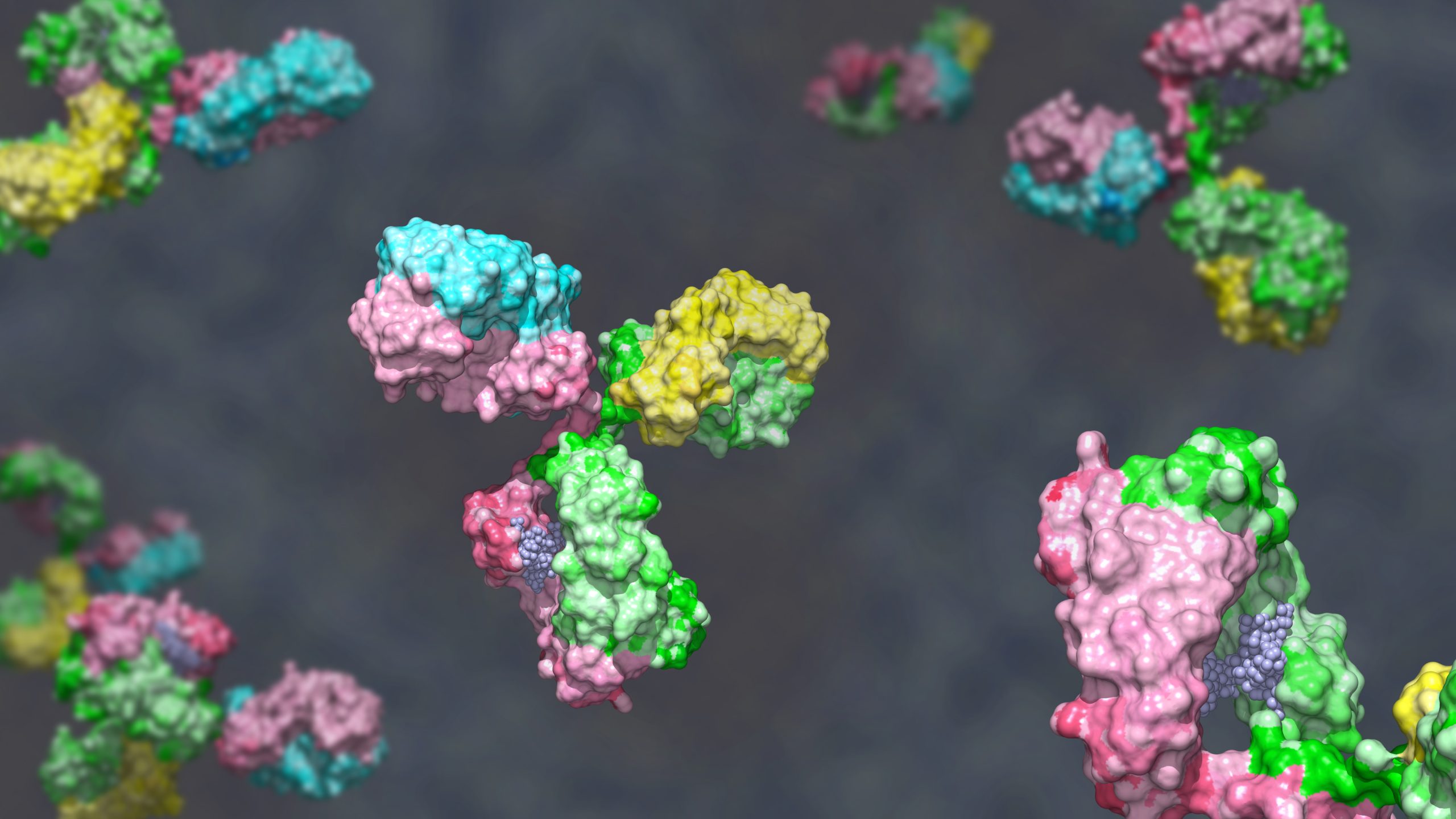

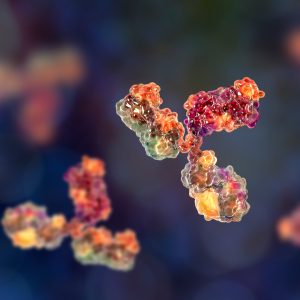
 Generating high-affinity, protective antibodies remains a central challenge in immunotherapy vaccine development, particularly against antibiotic-resistant pathogens that fail to elicit robust immune responses in vivo. Germinal centers (GCs) are essential to this process, driving B cell selection, affinity maturation, and long-term immune memory. However, GC reactions are tightly regulated by tissue architecture, stromal signals, and antigen presentation, which are factors that are difficult to isolate and manipulate in animal models. In a study published in Advanced Functional Materials, Graney et al. describe a synthetic immune organoid platform that recapitulates key features of the lymph node microenvironment, enabling controlled interrogation of germinal center dynamics across antigen formats and age states.
Modeling Germinal Center Epigenetics with Immune Organoid Platforms
Generating high-affinity, protective antibodies remains a central challenge in immunotherapy vaccine development, particularly against antibiotic-resistant pathogens that fail to elicit robust immune responses in vivo. Germinal centers (GCs) are essential to this process, driving B cell selection, affinity maturation, and long-term immune memory. However, GC reactions are tightly regulated by tissue architecture, stromal signals, and antigen presentation, which are factors that are difficult to isolate and manipulate in animal models. In a study published in Advanced Functional Materials, Graney et al. describe a synthetic immune organoid platform that recapitulates key features of the lymph node microenvironment, enabling controlled interrogation of germinal center dynamics across antigen formats and age states.
Meet Our Leaders
Learn more about the team behind the gold standard in vivo antibodies.
Discover Bio X Cell
Learn more about our proven expertise and comprehensive antibody solutions.
See Our Impact
Discover the Bio X Cell Fund’s mission to improve the health of our community
Explore Our Latest
See our latest articles and whitepapers for scientific insights and ideas
Don’t see what you need?
Consult With Bio X Cell to Enable Your Next Breakthrough Discovery
Whether you need antibody customization or high-volume production, Bio X Cell is committed to advancing your therapeutic innovations.
Contact Us